Exodus 13:1-16: Set Apart For God
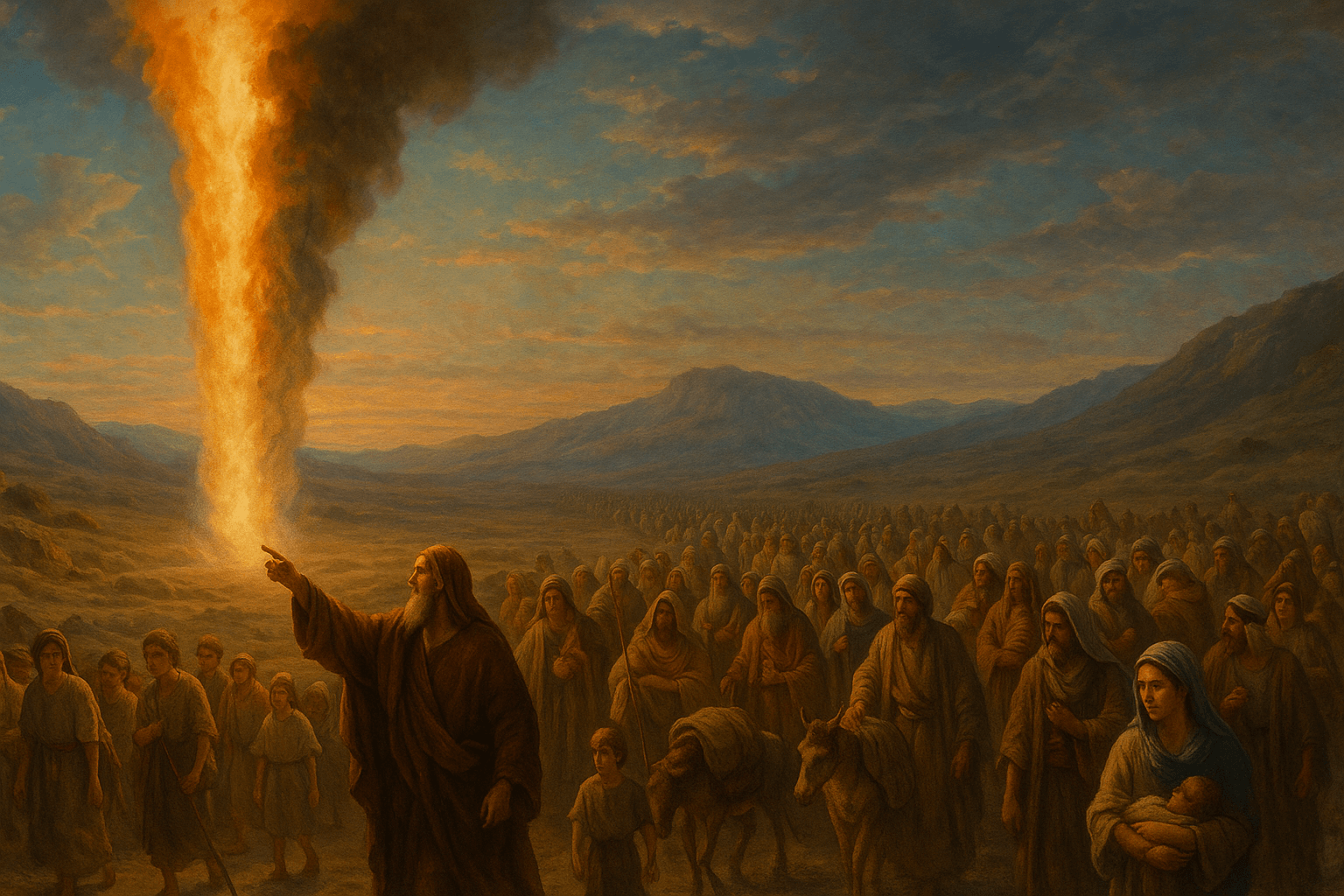
“Consecrate to Me every firstborn male. The first offspring of every womb among the Israelites belongs to Me.”
Overview
In Exodus 13, God teaches Israel a rhythm they will need for the rest of their lives: put God first. By consecrating the firstborn and observing the Feast of Unleavened Bread, Israel learns to remember who saved them, who sustained them, and who now leads them into a new season. Everything changes after the Exodus—new landscape, new identity, new dependence. But God anchors them with practices that keep their hearts aligned with Him.
For empty nesters, this passage speaks directly to a new transition. The children are grown. Routines change. Roles shift. And God gently invites: “Return the first of your time, energy, and attention to Me. Let Me lead your next chapter.” Consecration isn’t giving something up—it’s giving God first place so everything else in life can flourish.

Unleaven bread is prepared without yeast.
First Things First: Re-Centering Life With God in a New Season
When Israel left Egypt, their entire world changed. No more slave masters, no more brick quotas, no more predictable routines. They were free—but also unsettled. Their old identity was behind them, and the new one had not yet fully formed. In that in-between space, God gave them a practice that would secure their future: consecrate your firstborn to Me.
At first glance, this seems strange. But at its core, consecration simply means entrusting the first things to God. God told Israel to dedicate their firstborn as a declaration that their lives belonged to Him. This was not a loss—it was alignment. It reminded them that freedom is safest when lived under God’s guidance.
Empty nesters understand transitions. After decades of raising children, serving as chauffeurs, encouragers, homework helpers, crisis managers, and prayer warriors, the house becomes quiet. The calendar opens. The roles shift from hands-on parenting to adult partnership and guidance. It’s a beautiful season, but also a disorienting one. Like Israel leaving Egypt, you’re stepping into a new chapter where routines change, and identity is reshaped.
Exodus 13 offers a simple but powerful invitation:
Put God first in the new season.
Consecration for you might not look like dedicating a firstborn, but it absolutely means giving the “first portion” of your life back to God. Your first hour of the day. Your first energy of the week. Your first attention before distractions claim it. Your first financial decisions. Your first dreams for this next chapter.
The Feast of Unleavened Bread—removing yeast and eating simple bread for seven days—symbolized clearing out anything that hampers devotion. For empty nesters, this could mean decluttering the heart, refocusing priorities, simplifying schedules, and making room for what truly matters.
Another theme emerges: remembering. Three times in this passage, Moses says, “So that you will remember…” Empty-nest life creates space for memories. You’ve experienced enough to see God’s faithfulness, provision, protection, and healing. Now God calls you to turn those memories into markers that guide your future decisions.
Finally, the consecration of the firstborn foreshadows Jesus, the true Firstborn who would be given for our salvation. Israel offered what was symbolic. God offered what was eternal. The cross becomes the center of every new beginning. When you place Jesus, your empty-nest season becomes rich, meaningful, purposeful, and filled with fresh calling.
This chapter isn’t just about ancient rituals. It’s about a timeless truth: Your life thrives when your first priorities belong to God.
Why Is This Important?
Empty nesters often face a “now what?” moment. Exodus 13 provides God’s answer:
Real freedom requires new habits that keep the heart anchored.
Consecration (placing God first), remembrance (recalling His faithfulness), and simplification (removing “yeast”) form a framework for rediscovering purpose and joy in this stage of life.
God’s Promises — Past-> Present,->Future
Past
God rescued Israel and spared their firstborn. (Exodus 12:13)
Present
God forms His people through rhythms of remembrance and obedience. (Exodus 13:9)
Future
Jesus, the true Firstborn, becomes our salvation and leads us into eternal freedom. Colossians 1:15–20
Nest Steps:
Ask Yourself:
What “yeast”—habits, clutter, distractions—needs clearing out to make space for God?
Where do you feel God inviting you to trust Him in this new chapter of life?
Ask Him:
“Lord, in this season, what do You want me to set apart for You?”
“What needs to be simplified or removed for me to follow You wholeheartedly?”
“What new calling or purpose might You be forming in me now?”
Nest Actions:
Find one way of living with a sense of consecration—setting apart our time, our talents, our decisions, and even our future as offerings to God. Maybe it means telling our stories of redemption to the next generation so they know God is alive and still saving. It could be serving at church or praying for others in your community.
Exodus 13 reminds us: redeemed people don’t live forgetfully. They live purposefully, gratefully, and devotedly. We weren’t just rescued from sin; we were rescued for God. Our past is forgiven, our present is sustained, and our future is secure—because with a mighty hand, the Lord brought us out.
Please share this post with a friend and ask them to follow/like/subscribe on the social platforms below to help me spread my content! Thanks! I appreciate your support!