Exodus 15-18: The God Who Saves, Leads & Provides
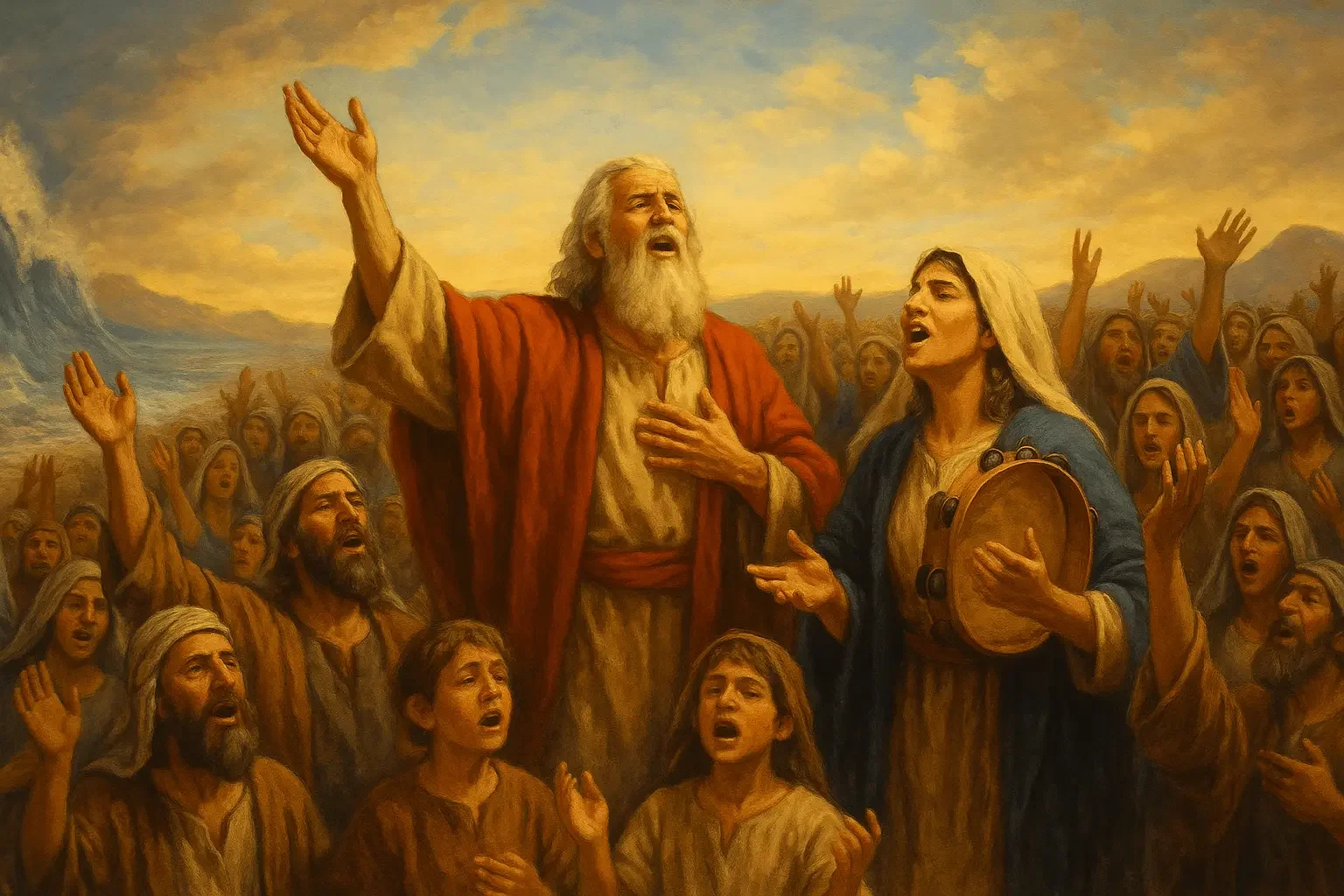
Song of Moses
“Then the Lord said to Moses, ‘I will rain down bread from heaven for you.”
Capstone Thought
When the season that once defined you ends, God doesn’t abandon you—He begins forming you for what’s next.
Overview
Exodus 15–18 depicts a free people still learning to live in freedom. Israel has left Egypt behind, yet it has not fully discovered who it is becoming. That tension mirrors the empty-nest season: the past is real, the future is unfolding, and the middle can feel uncertain.
The journey starts with celebration. In Exodus 15, Israel sings with joy, praising the God who delivered them. But worship quickly gives way to new challenges. Bitter water, daily provision, unexpected battles, and leadership strain all emerge before Israel ever reaches Sinai.
God is not punishing His people; He is shaping them.
For empty nesters, this season often raises similar questions: Who am I now? What does daily dependence look like? Where does my strength come from? How do I lead without feeling drained? These chapters reveal a God who walks patiently with His people as they learn to trust Him in a new phase of life.
Exodus 15–18: When God Leads Us Into a New Season
There is a quiet moment in life when something significant ends, but nothing obvious has yet begun. For many empty nesters, that moment arrives when the house grows quieter, schedules loosen, and long-held roles subtly shift. The season that once defined daily life is gone, and the future—while hopeful—feels uncertain.
Israel knew that feeling well.
Exodus 15–18 captures Israel right after their biggest victory. The Red Sea has closed behind them. Slavery is finished. Freedom has started. Their first action is worship—an outpouring of praise for the God who saved them. But almost immediately, the path forward becomes tough.
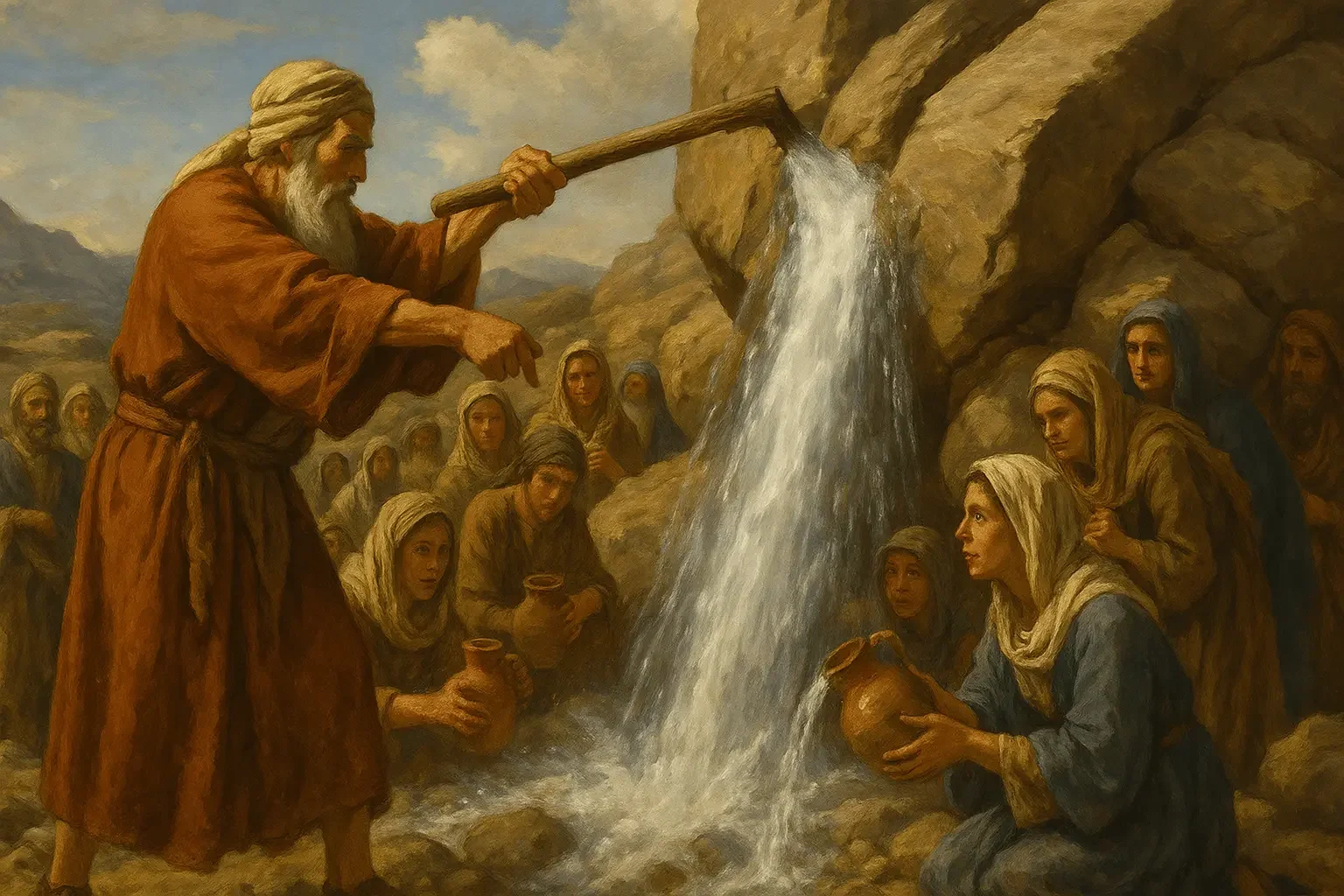
The water at Marah is bitter. Food is scarce. Thirst returns. Enemies appear. Leadership becomes overwhelming. If deliverance was meant to lead straight to ease, this story disrupts that expectation. God doesn’t rush His people into comfort. He leads them into formation.
That pattern feels familiar during the empty-nest season. You may have faithfully raised children, navigated careers, established routines, and endured years of responsibility. Yet, when these roles change, new questions arise. Who am I now? What does daily trust look like? Where does my strength come from when familiar structures fade?
At Marah, God demonstrates to Israel that He can transform bitterness. He does not shame their disappointment; instead, He meets it. In the wilderness, He provides manna—not in excess, but daily—teaching them to rely on Him one day at a time. At the rock, God supplies water when the people are exhausted and frustrated. Against Amalek, victory depends not solely on strength but on prayerful dependence and community support.
Then, in Exodus 18, God offers a gift many empty nesters need: the freedom to let go. Moses is overwhelmed. Jethro’s wisdom is simple and liberating—shared leadership isn’t weakness; it’s sustainable. God cares about not only faithfulness but also perseverance.
These chapters remind us that God is deeply present during transitional seasons. He is not distant when life feels quieter or less defined. He is shaping identity, renewing trust, and teaching new rhythms of dependence.
The wilderness isn't punishment; it’s preparation.
If you find yourself caught between what was and what will be, Exodus 15–18 offers steady reassurance: the same God who carried you through past seasons is still guiding you. Not always clearly—but always providing. Not always comfortable—but always purposeful.
Daily manna teaches us to stop living on yesterday’s identity.
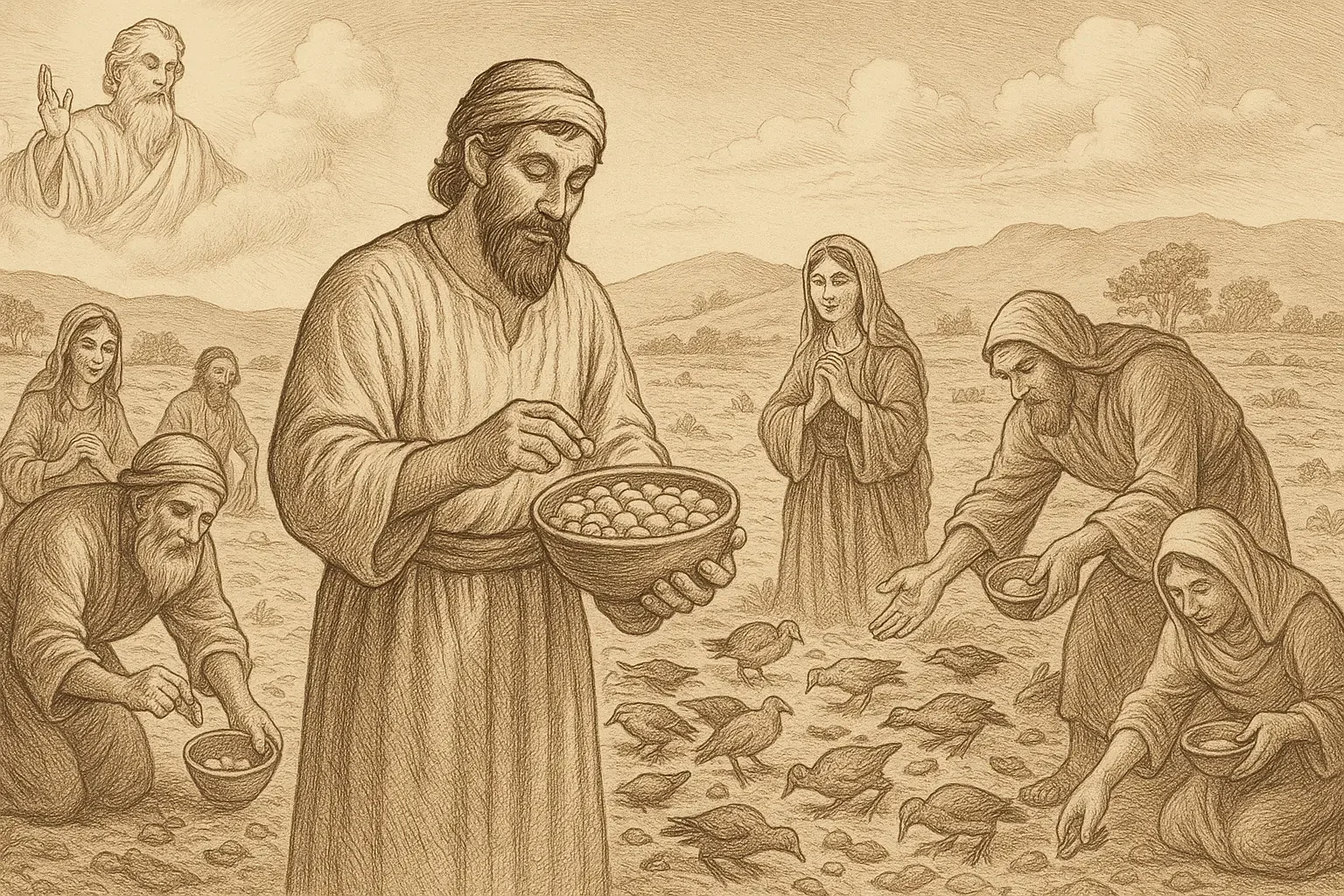
Battles like Amalek remind us that prayer sustains us more than strength.
Moses’ exhaustion shows that wisdom includes sharing responsibility and embracing community.
For empty nesters, these chapters gently ask:
Will you trust God when familiar routines are gone?
Will you receive daily provision instead of trying to control the future?
Will you let others support you rather than carrying everything alone?
Will you see this season as preparation, not decline?
Spiritual maturity is often forged between what was and what will be—and God is faithful in the middle.
Nest Steps — Exodus 15–18
Ask Yourself
Where have you moved from celebration into uncertainty more quickly than you expected?
What feels “bitter” or unresolved in this season of transition?
Where are you tempted to rely on past roles or routines instead of daily trust?
In what areas of life are you feeling tired, stretched, or carrying more than you should alone?
Ask Him
“Lord, here is where I feel disappointed or weary.”
“Teach me to trust You for today, not just for what’s next.”
“Show me where You are providing, even if it looks different than before.”
“Help me receive support instead of carrying this season alone.”
Nest Actions
This week, identify one place where you feel drained or uncertain.
Release the need to solve it all at once.
Practice daily dependence by taking one small, faithful step—asking for help, resting without guilt, or bringing a quiet concern to God in prayer—and trust Him to meet you there.