Exodus 32-34: Still Loved. Still Held.
Capstone Verse
“The LORD, the LORD, the compassionate and gracious God, slow to anger, abounding in love and faithfulness.”
— Exodus 34:6
📖 Overview (Empty-Nest Lens)
Exodus 32–34 brings us to one of the most sobering moments in Israel’s story. After deliverance, covenant, and the promise of God’s dwelling presence, the people falter. In fear and impatience, they turn to something they can see and control, breaking trust at the very moment intimacy had been offered.
This passage does not soften failure. Consequences are real, disappointment is deep, and God’s presence—once assured—now feels uncertain. The rupture is painful, and the silence that follows carries weight.
For empty nesters, this tension feels familiar. It echoes moments of hindsight and regret, seasons when faith wavered despite experience, or when choices didn’t align with intentions. It reminds us that maturity does not make us immune to missteps.
Yet Exodus 32–34 does not end in distance. Through intercession and mercy, God reveals His name and renews the relationship. What was broken is not ignored—but it is not the final word. Grace meets the people again, not by erasing the past, but by restoring presence and purpose.
🧭 Central Theme
Even after failure, God invites His people back into restored relationship through mercy and grace.
📰 Grace That Meets Us Again
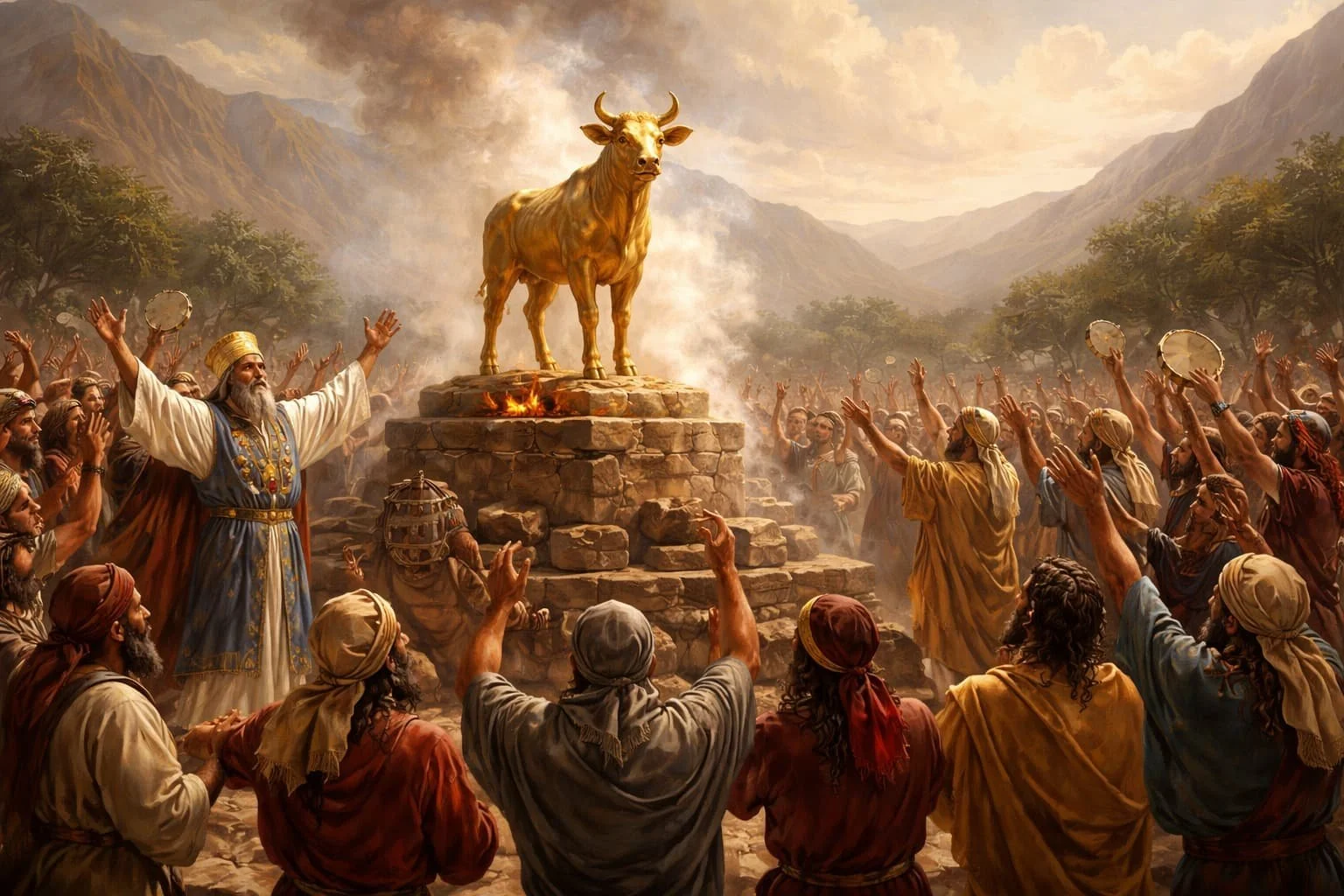
Exodus 32–34 opens with a painful contradiction. While Moses is on the mountain receiving instructions for God’s dwelling place, the people grow restless below. Fear and uncertainty take over, and they reach for something familiar—something they can see and control. The golden calf is not simply an idol; it is a substitute for trust.
This moment lands heavily because it follows intimacy with God. Israel has seen deliverance, heard God’s voice, and entered covenant—yet still falters. The failure is not ignorance but betrayal. Consequences follow, and what once felt secure now feels fragile. God’s presence, once promised, seems at risk.
For many empty nesters, this moment resonates deeply. It mirrors seasons when we knew better and still fell short, when fear or impatience shaped decisions we later questioned. It speaks to the ache of hindsight and the quiet realization that experience does not always prevent regret.
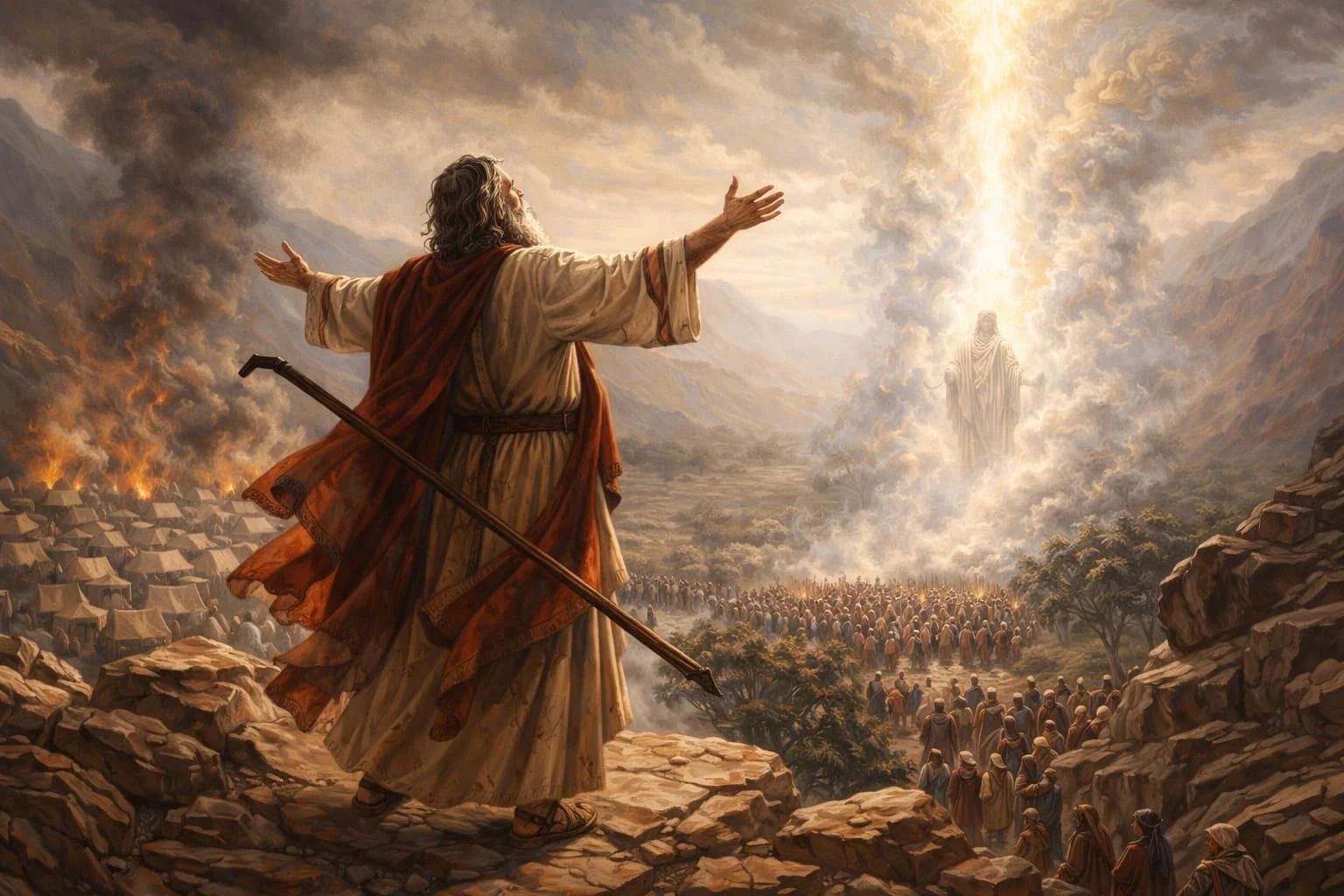
Yet Exodus 32 does not stand alone. Moses steps into the gap, refusing to walk away from God or from the people. His prayer in Exodus 33 is raw and relational: “If Your Presence does not go with us, do not send us up from here.” This is not polished theology—it is desperate dependence.
Intercession changes the story's posture. God listens. He stays. He invites Moses deeper, speaking with him as one speaks to a friend. In the midst of failure and disappointment, relationship is not severed—it is deepened.
“Failure does not end the story when grace is still at work.”
Exodus 34 becomes the turning point. God reveals His name—not as withdrawn or harsh, but as compassionate and gracious, slow to anger, and abounding in steadfast love. This revelation comes precisely when rejection might be expected. The covenant is renewed, not because failure was insignificant, but because grace is greater.
For empty nesters, this truth is deeply grounding. Restoration is not about pretending nothing happened; it is about returning honestly and trusting God’s character more than our performance. Grace does not erase the past—but it does redeem the future.
❓ Why This Is Important (Empty-Nest Perspective)
Exodus 32–34 matters because it addresses the fear that failure might undo everything that came before. Empty nesters often carry quiet questions about past decisions, missed moments, and times when faith wavered despite knowing better. This passage neither minimizes failure nor allows it to define the future.
God takes failure seriously, yet He does not abandon the relationship. Consequences remain, repentance matters, and trust must be rebuilt—but grace is not withdrawn. God reveals that His character is steady, not fragile. Purpose is not erased by regret, and mistakes do not cancel calling.

This passage invites empty nesters to release shame, trust God’s mercy more deeply, and move forward sustained by grace that meets us again.
🕊️ God’s Promises — Past, Present, and Future
Past Promise
God remains faithful even after betrayal
Scripture: Exodus 32:9–14
Empty-Nest Insight: God’s faithfulness does not depend on our consistency but on His character.
Present Promise
God’s presence stays with repentant hearts
Scripture: Exodus 33:14
Empty-Nest Insight: In seasons marked by regret, God invites honest return—not withdrawal.
Future Promise
God’s mercy leads to a renewed relationship
Scripture: Exodus 34:6–10
Empty-Nest Insight: God’s grace restores forward movement, even after deep failure.
🪜 Nest Steps
Ask Yourself
Where have I felt disappointed in myself?
What fears have shaped my choices in quieter seasons?
Do I trust God’s grace as much as His standards?
Ask Him
“Lord, help me bring my failures honestly before You.”
“Teach me to trust Your mercy more than my performance.”
“Restore what feels broken within me.”
Nest Action
This week, name one regret or disappointment and bring it to God in prayer—without fixing it, defending it, or minimizing it. Let grace meet you there.
📝 Guided Journal Prompts
Where do I still carry shame that God may already have forgiven?
How do I respond when I feel disappointed in myself?
What would trusting God’s grace more deeply look like in this season?
🙏 Closing Prayer
Lord, You are compassionate and gracious, slow to anger and rich in love. When we falter, help us return rather than retreat. Teach us to trust Your mercy, receive Your presence, and walk forward restored by grace that meets us again. Amen.
🌿 Gentle Invitation
If you’ve been holding your failures at a distance, consider this an invitation to bring them into the presence of a God who stays.
Please share this post with a friend and ask them to follow/like/subscribe on the social platforms below to help me spread my content! Thanks! I appreciate your support!