
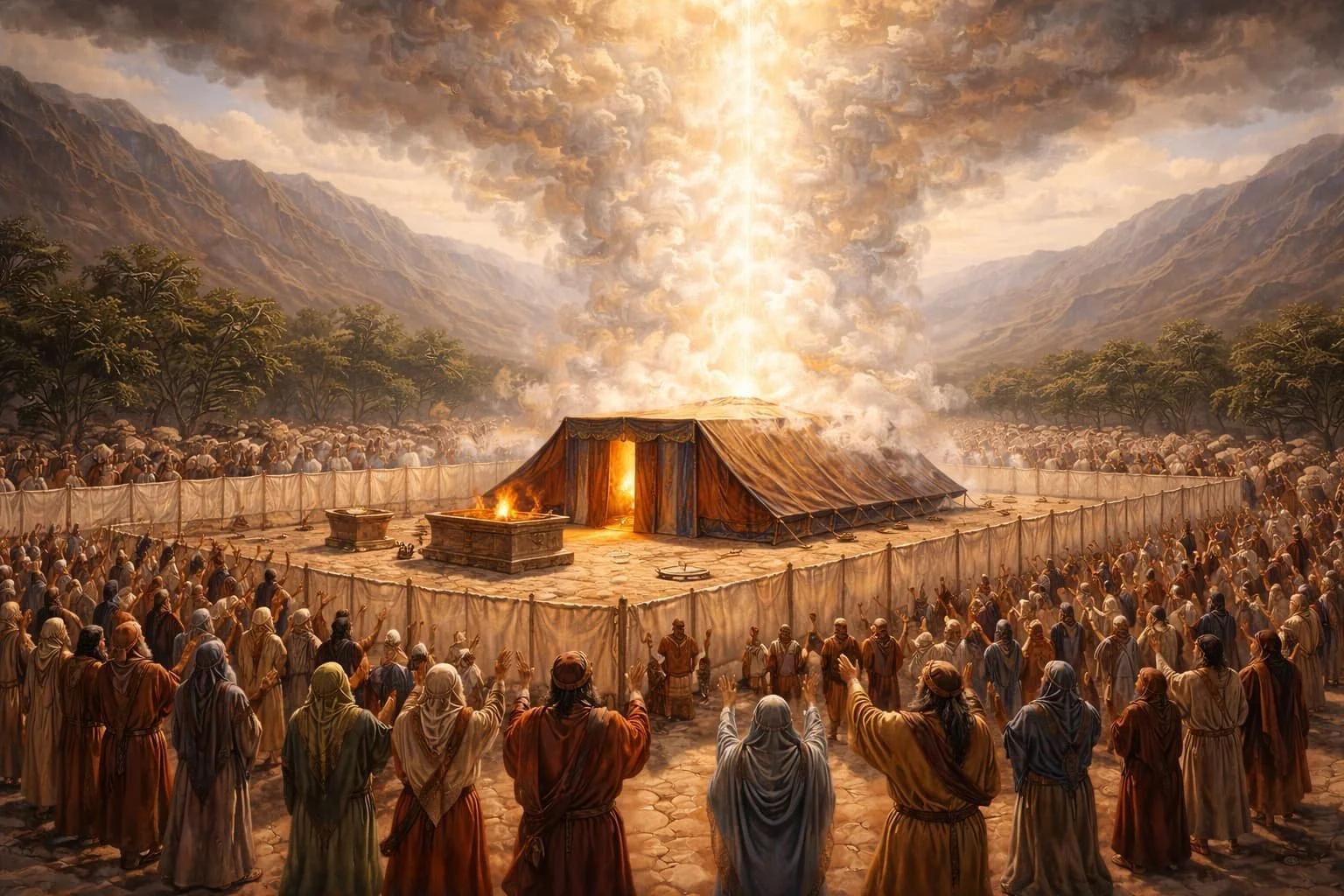
Exodus 35-40: Still With Us. Still Faithful.
Exodus ends not with movement, but with presence. After deliverance, failure, intercession, and restoration, God comes to dwell among His people exactly as He promised. The story that began with cries in Egypt closes with glory filling the tabernacle.
Exodus 35–40 shows Israel responding in obedience and generosity, carefully constructing the dwelling place God described. There is no rush, no drama—only faithful follow-through
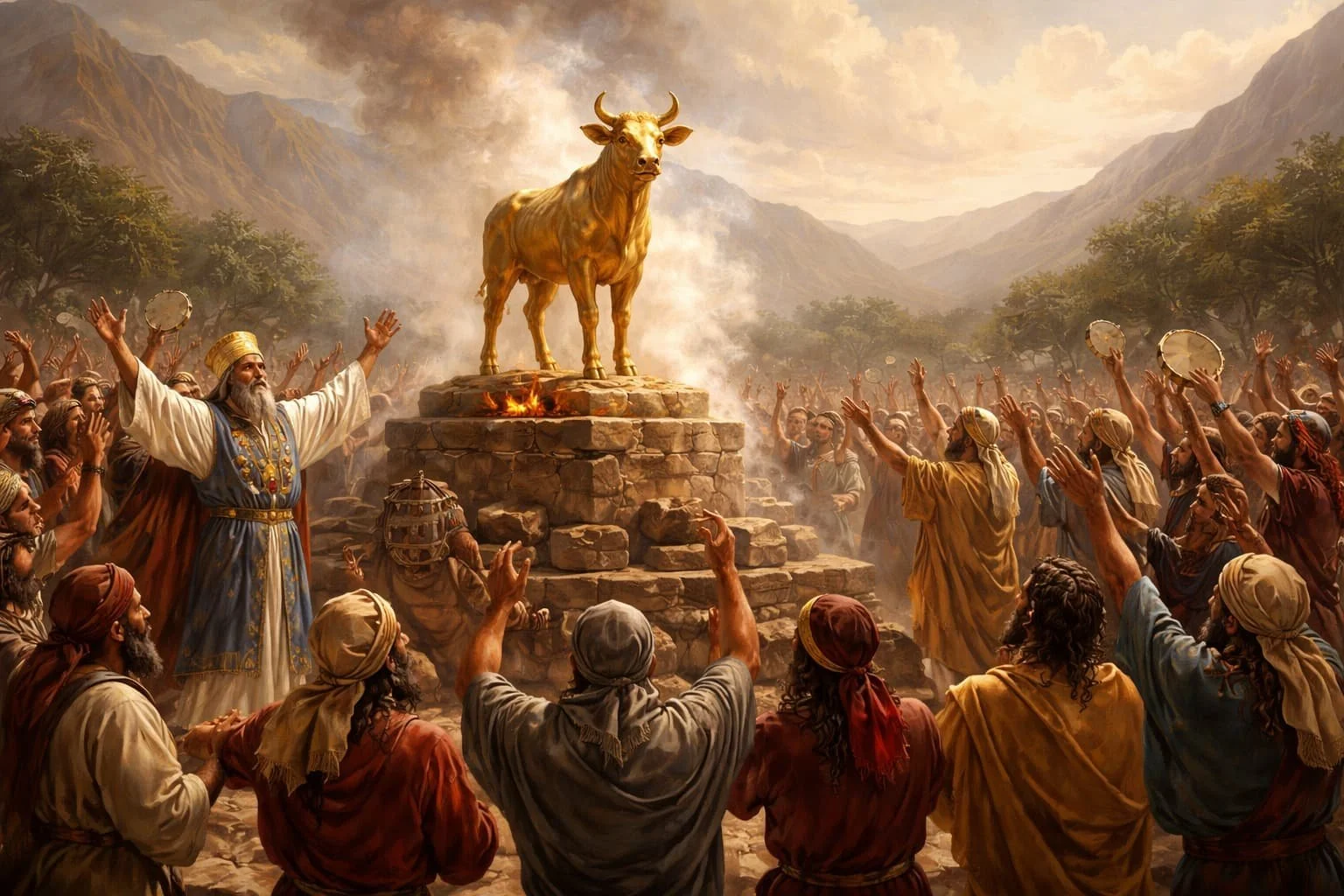
Exodus 32-34: Still Loved. Still Held.
Exodus 32–34 brings us to one of the most sobering moments in Israel’s story. After deliverance, covenant, and the promise of God’s dwelling presence, the people falter. In fear and impatience, they turn to something they can see and control, breaking trust at the very moment intimacy had been offered.

Exodus 28-31: Still Called. Still Set Apart.
Exodus 28–31 reveals a powerful truth: God does not stop calling, equipping, or consecrating His people once the big moments pass. After establishing His desire to dwell among Israel, God now turns to who will serve, how they will be set apart, and what rhythms will sustain them.
For empty nesters, this passage speaks directly to…

Exodus 24–27: Making Room When God Moves In
After rescue, law, and covenant, God reveals His heart clearly: He wants to dwell with His people. Exodus 24–27 shifts the story from commands to closeness. God does not remain distant on the mountain—He invites Israel to make space for His presence.
For empty nesters, this passage speaks directly …

Exodus 21-23: Living Your Faith Impacts Lives Now!
After the dramatic rescue from Egypt and the thunder of Mount Sinai, God turns His attention to daily life. Exodus 21–23 may feel less dramatic, but it is deeply practical. These chapters reveal a God who cares about fairness, dignity, responsibility, and compassion in everyday relationships.
For empty nesters,…
